
 BestsellerShop at Amazon ↗
This Works
Deep Sleep Pillow Spray
"A bedtime cue in a bottle. Not a sedative, just a signal."
See price at Amazon
Rituals
The Night Shift is a three-step, 20-minute sleep ritual: phone away and pillow spray 30 minutes before bed, two minutes of skin and lips, then a mask, earplugs and a cool room. It's the CDC's sleep basics made doable. Give it two weeks of nightly use before you judge it.

A sleep ritual works because it's repeated, not because it's elaborate. Three steps: close the day (screens off 30 minutes before bed, same time nightly), two minutes of skin and lips, then block out light and noise with a mask and earplugs. Magnesium and mouth tape are optional, low-evidence extras.
Products tagged Ours are ours. Links marked ↗ go to other shops. We may earn a commission. It never changes our take.
The Night Shift is a three-step, 20-minute sleep ritual: phone away and pillow spray 30 minutes before bed, two minutes of skin and lips, then a mask, earplugs and a cool room. It's the CDC's sleep basics made doable. Give it two weeks of nightly use before you judge it.
Updated November 5, 2026.
Sleepmaxxing content loves a stack: magnesium mocktail, mouth tape, red light, weighted blanket, journaling, nasal strips, a 40-minute wind-down. Then it's 12:40am and you're still on step seven.
The CDC's tips for better sleep are almost insultingly simple: go to bed and get up at the same time every day; keep your bedroom quiet, relaxing and cool; turn off electronic devices at least 30 minutes before bed; avoid large meals and alcohol before bed; skip caffeine in the afternoon and evening; exercise and eat well (CDC).
The Night Shift is those basics, turned into something you'll actually do. Twenty minutes, tops.
The point: a hard stop for screens, and a cue your brain learns.
Pick a time. Set a phone alarm for it, which is the last thing your phone gets to do tonight. Then:
The Sleep Foundation suggests budgeting about 30 minutes to wind down and keeping a fixed wake-up time, which is exactly what this step builds (Sleep Foundation).
We may earn a commission. It never changes our take.
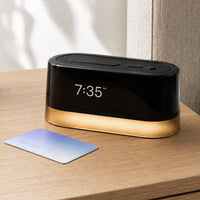
The Loftie is a splurge at $199.99. A $10 analog alarm clock does the same core job. You're paying for nicer sounds and a design you won't want to hide.
The point: a short, satisfying sequence your body associates with the end of the day. Not a 9-step ritual.
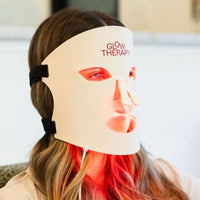
Optional, if it's already part of your week: do your GlowMax session during your wind-down instead of in the morning rush. It's 10 minutes, hands-free, and it's a good excuse to sit still. To be clear, GlowMax is a skin device, not a sleep aid; this is about fitting it into a time you already have.
The point: a dark, quiet room, even if your actual room isn't.
Shopping for someone else who's up at 2am? Our sleep gifts edit sorts these by the job they do.
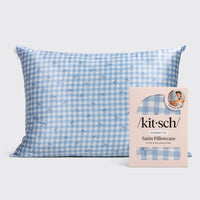
Silk and satin pillowcases feel smooth and cool and are less grabby on hair, so your blowout or curls hold up better. Claims that they prevent wrinkles are overstated. Get one because it feels nice, which is a perfectly good reason.
Satin at $29 or silk at $120. If you're on the fence, start with satin.
Probably the most-asked sleep question on our site. Here's where the evidence is: the National Center for Complementary and Integrative Health says there's "very little research" on magnesium for sleep. A 2021 review of three studies, 151 participants, all older adults, suggested magnesium might help people with insomnia fall asleep somewhat faster, but the reviewers judged the studies low quality (NCCIH; the review).
NCCIH also notes high intakes can cause diarrhea, nausea and cramping. Stay within label directions and talk to your doctor or pharmacist first if you take other medications, since magnesium can interact with some of them.
If you want to try it as part of your wind-down, fine. Just don't let it replace step one.
These statements have not been evaluated by the Food and Drug Administration. This product is not intended to diagnose, treat, cure, or prevent any disease.
The most viral sleep hack and, as of now, one of the least supported. A 2025 systematic review in PLOS ONE looked at 10 studies with 213 people. Two found a slight improvement in a subset of people with mild sleep apnea. The rest found no evidence it helps mouth breathing or sleep-disordered breathing. Four raised a potentially serious asphyxiation risk for people whose mouth breathing comes from nasal blockage, like allergies, a deviated septum or enlarged tonsils (PLOS ONE; summary via Scimex).
The authors: "Many people are not appropriate for mouth taping, and in some cases it can lead to risk of serious health harm."
Our take: we carry mouth tape in Can't Sleep because people ask for it, and every one of those pages carries this warning. Skip it if you can't breathe comfortably through your nose. If you snore loudly or wake up gasping, skip the tape and ask a doctor about a sleep study.
Some sleep products, like Moon Juice's Sleepy Magnesi-Om, include melatonin. It's a hormone, not a vitamin. Talk to a doctor or pharmacist before using it regularly, especially if you're pregnant or take other medications.
| Time | Step | Takes |
|---|---|---|
| Bedtime minus 30 | Phone out, pillow spray, lights down | 2 min |
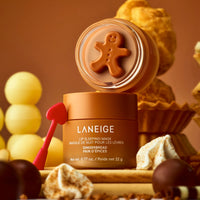
| Bedtime minus 15 | Cleanse, moisturize, lip mask (GlowMax optional) | 2 to 12 min |
| Bedtime | Mask, earplugs, cool room | 1 min |
Do it for two weeks before you judge it. That's how long it takes for a cue to start feeling like a cue. And if you've had trouble sleeping most nights for weeks, or you feel exhausted no matter how long you sleep, that's a conversation for a doctor, not a cart.
Keep it short enough to repeat every night: put the phone away 30 minutes before bed, do the same two-minute skin step, then make the room dark, quiet and cool. Same time, same order. The point is consistency, which the CDC and Sleep Foundation both put at the top of their lists, not a long list of products.
Screens keep your brain engaged, and the Sleep Foundation notes that device light can suppress melatonin and that screen use before bed is linked to taking longer to fall asleep (Sleep Foundation). The easiest fix is physical: charge the phone outside the bedroom and use a plain alarm clock.
Maybe a little, for some people, but the evidence is thin. NCCIH says there's very little research, and a 2021 review of three small studies in older adults found low-quality evidence for falling asleep slightly faster. If you try it, take it as part of a wind-down, not instead of one, and check with your doctor or pharmacist if you take other medications.
Not for everyone. A 2025 PLOS ONE review of 10 studies found little evidence that it helps and flagged a serious risk for people with nasal blockage. Skip it if you can't breathe easily through your nose, and talk to a doctor if you snore loudly or wake up gasping, since that can be a sign of sleep apnea.
Updated November 5, 2026. Prices and availability checked on this date.
Shop this story · 9




Links marked ↗ open the brand's site. We may earn a commission. It never changes our take.
Pass it on
Rituals · 9 picks
BestsellerShop at Amazon ↗
"A bedtime cue in a bottle. Not a sedative, just a signal."

 Founders' BatchOurs
"Ten minutes, three to four nights a week. That's the whole deal."
 Shop at Manta Sleep ↗
"For partners, streets and roommates with a 1am lifestyle."
 BestsellerShop at Slip ↗
"Silk that's nice to your hair. Buy it for the feel."
We may earn a commission. It never changes our take.
FAQ
A short sequence you repeat at the same time every night: screens off, a quick skin step, then a dark, quiet, cool room. Repetition teaches your brain the cue.
A 2025 PLOS ONE review of 10 studies found little evidence of benefit and flagged a potential asphyxiation risk for people with nasal blockage. Skip it if you can't breathe easily through your nose, and get checked for sleep apnea if you snore heavily.
The evidence is limited. A 2021 review of three small trials in older adults suggested it might shorten time to fall asleep, but the studies were low quality. Don't exceed label doses.
A social media trend of stacking products and habits to optimize sleep. The habits with the strongest backing are the boring ones: a consistent schedule, a cool, quiet room and screens off before bed.
It works as a cue. Use the same scent at the same time nightly and your brain starts linking it with bed. It isn't a sedative.
Give the new mom something for her, not the baby, and make it something that works in five minutes or...
For most people, bovine collagen is the better buy because it costs less per ounce and does the same everyday...
Pillow spray works the way a bedtime song works for a kid: the same scent, at the same time, every...
Your bag is giving minimalist.
Start with what's bugging you, or let the quiz do the thinking.
The stuff you loved that ships from other brands. Tap to shop it there.
We may earn a commission on these. It never changes our take.


